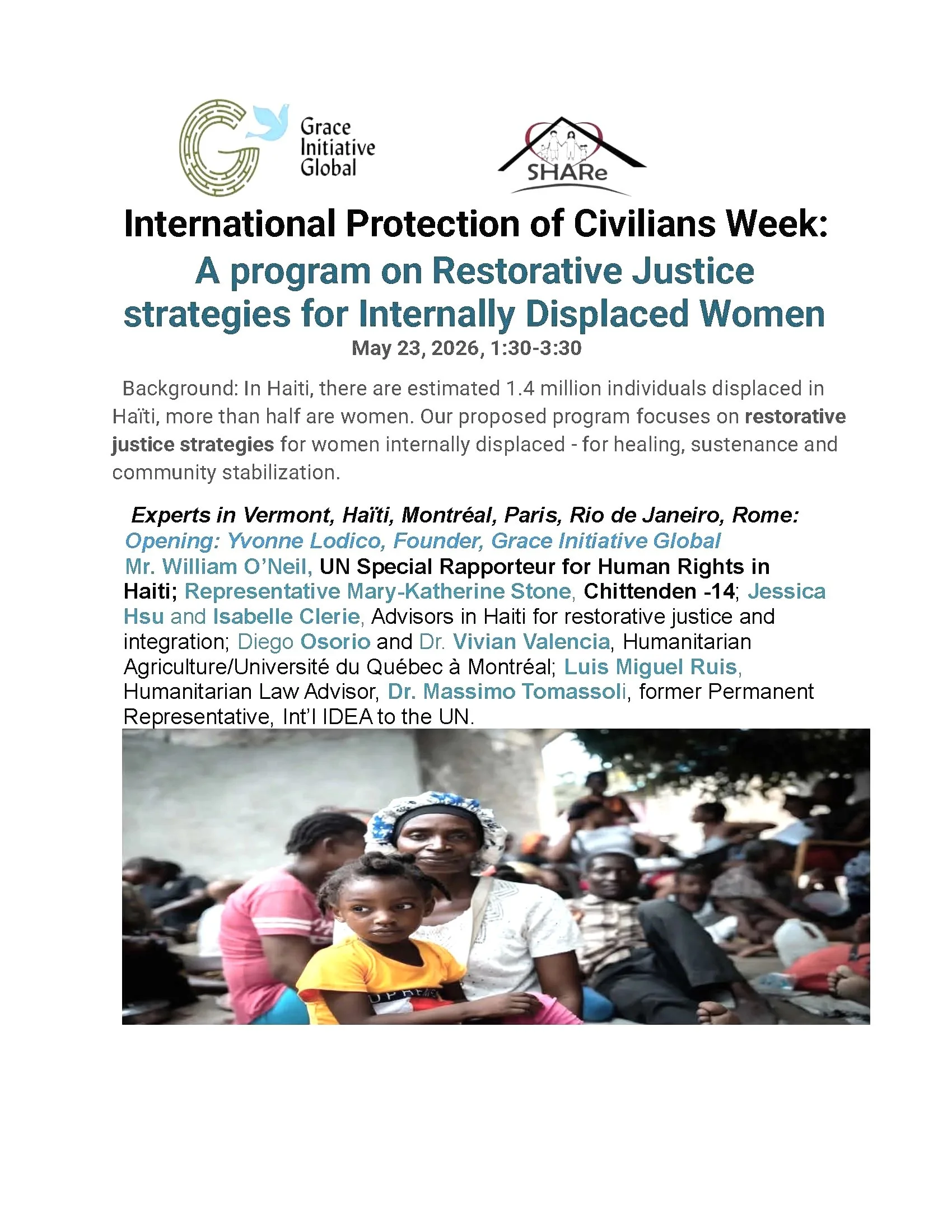
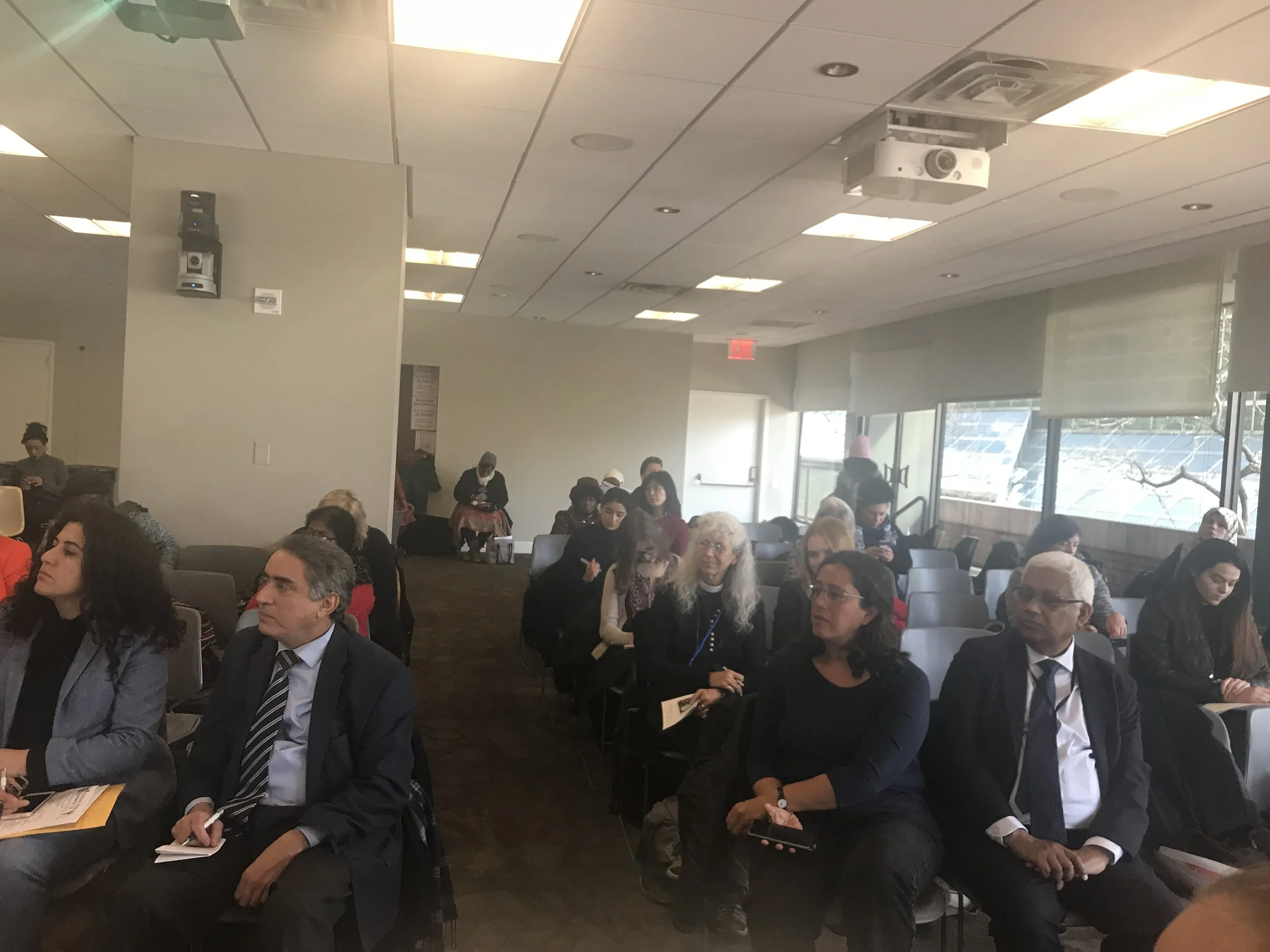
Side Event for UNGA 80: Free Haiti from Violence and Promote Transformative Change
Permanent Observer of the Organisation Internationale de la Francophonie.
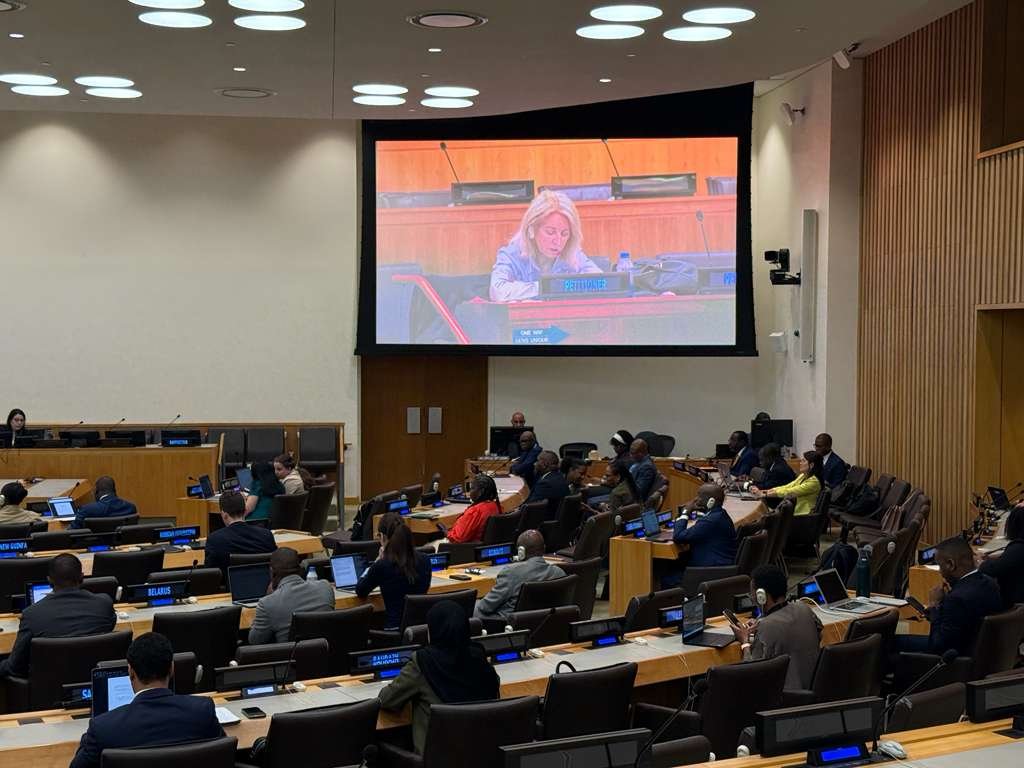
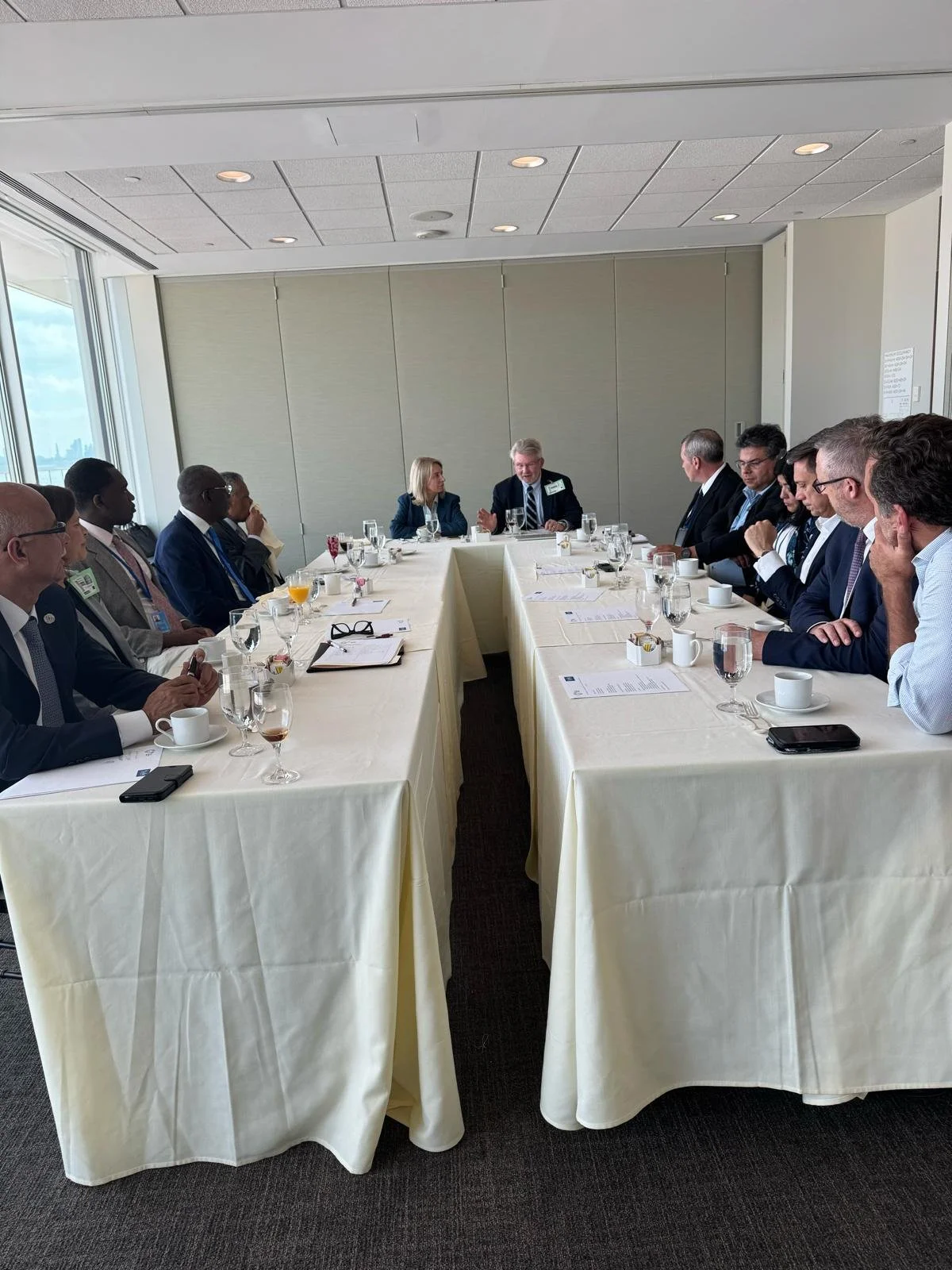
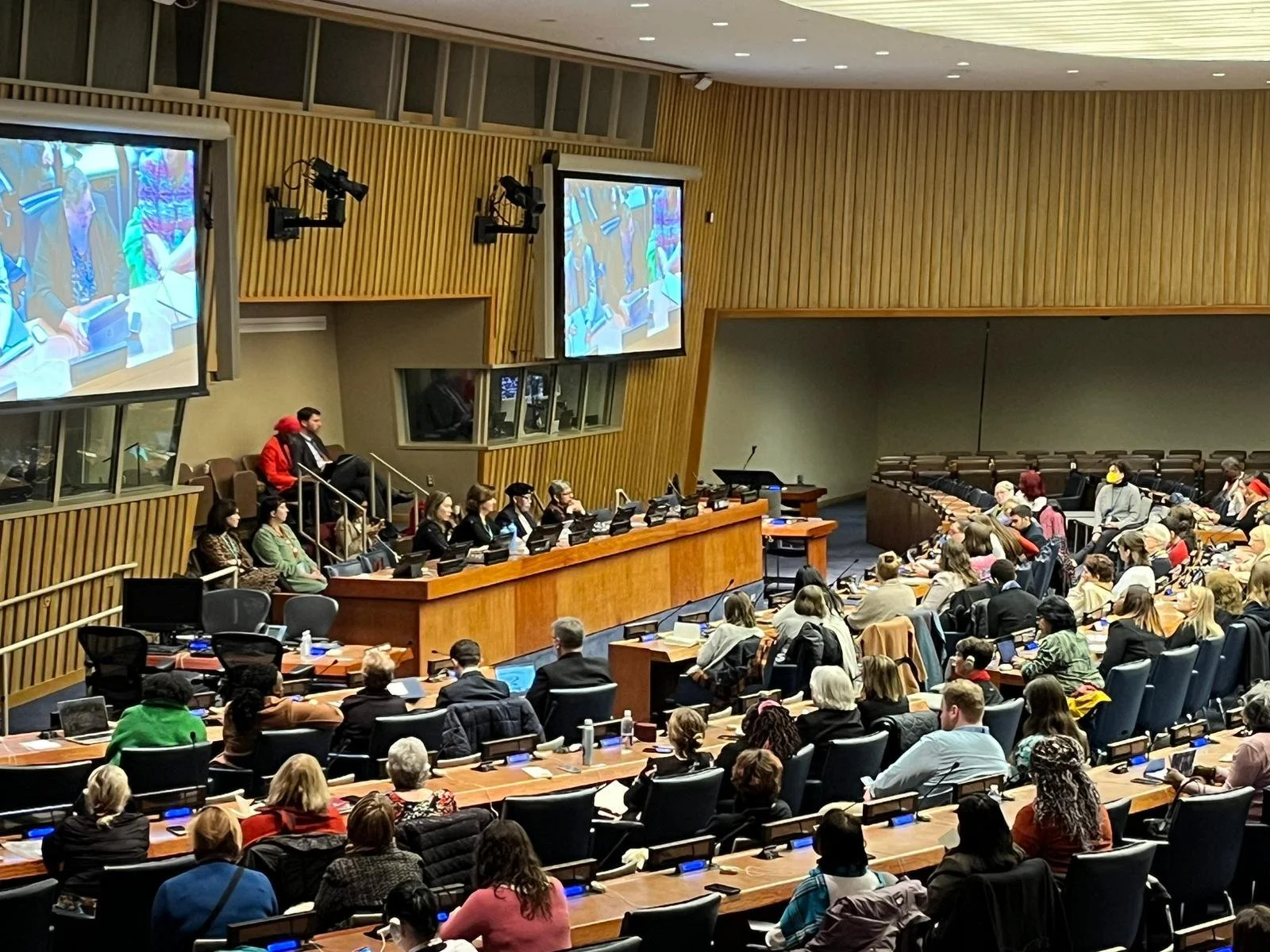
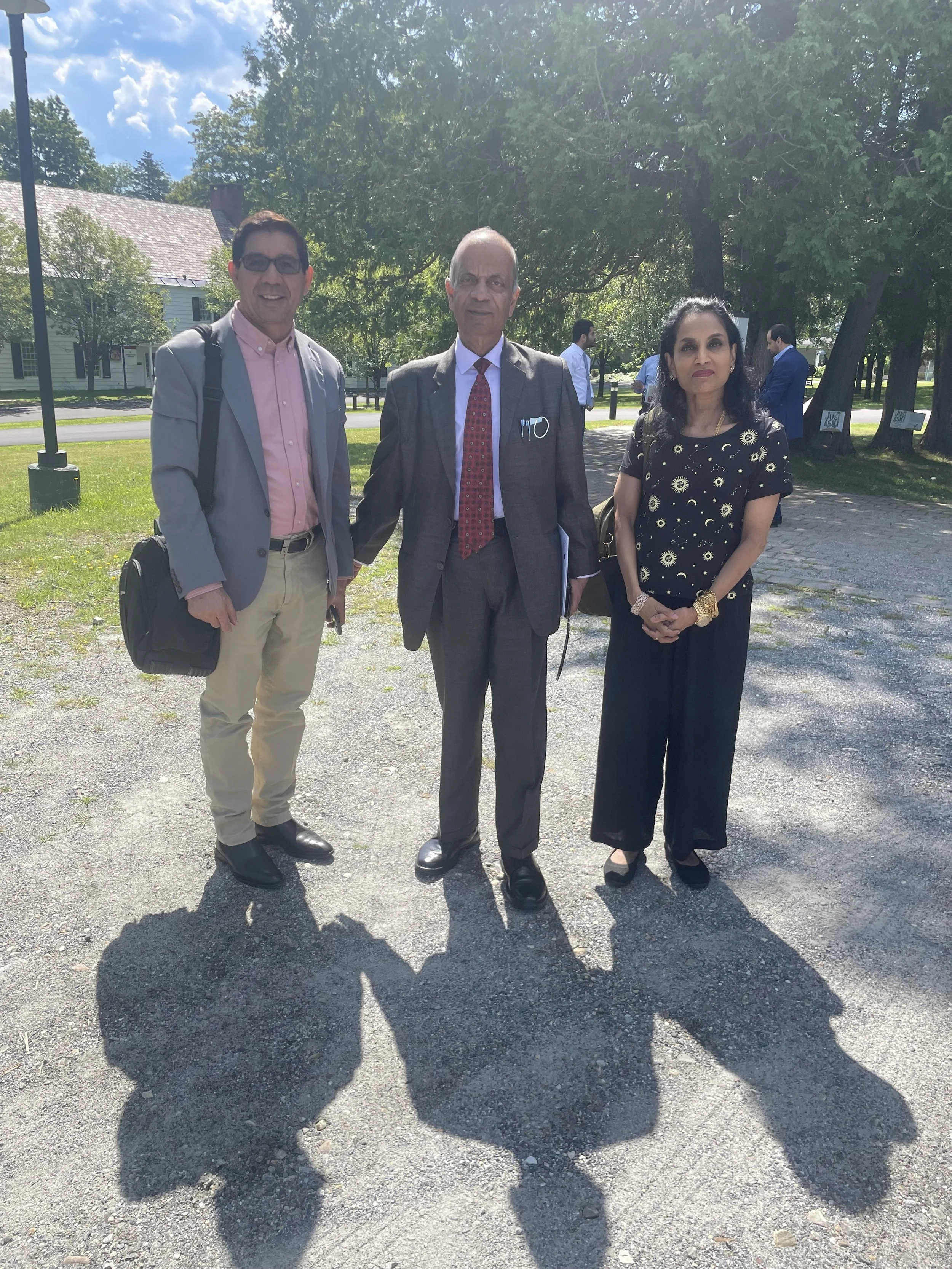
World Refugee Day, June 20, 2025 Diplomats and Senior Level UN experts discuss strategies for Haiti at Delegates Dining Room at UN HQ
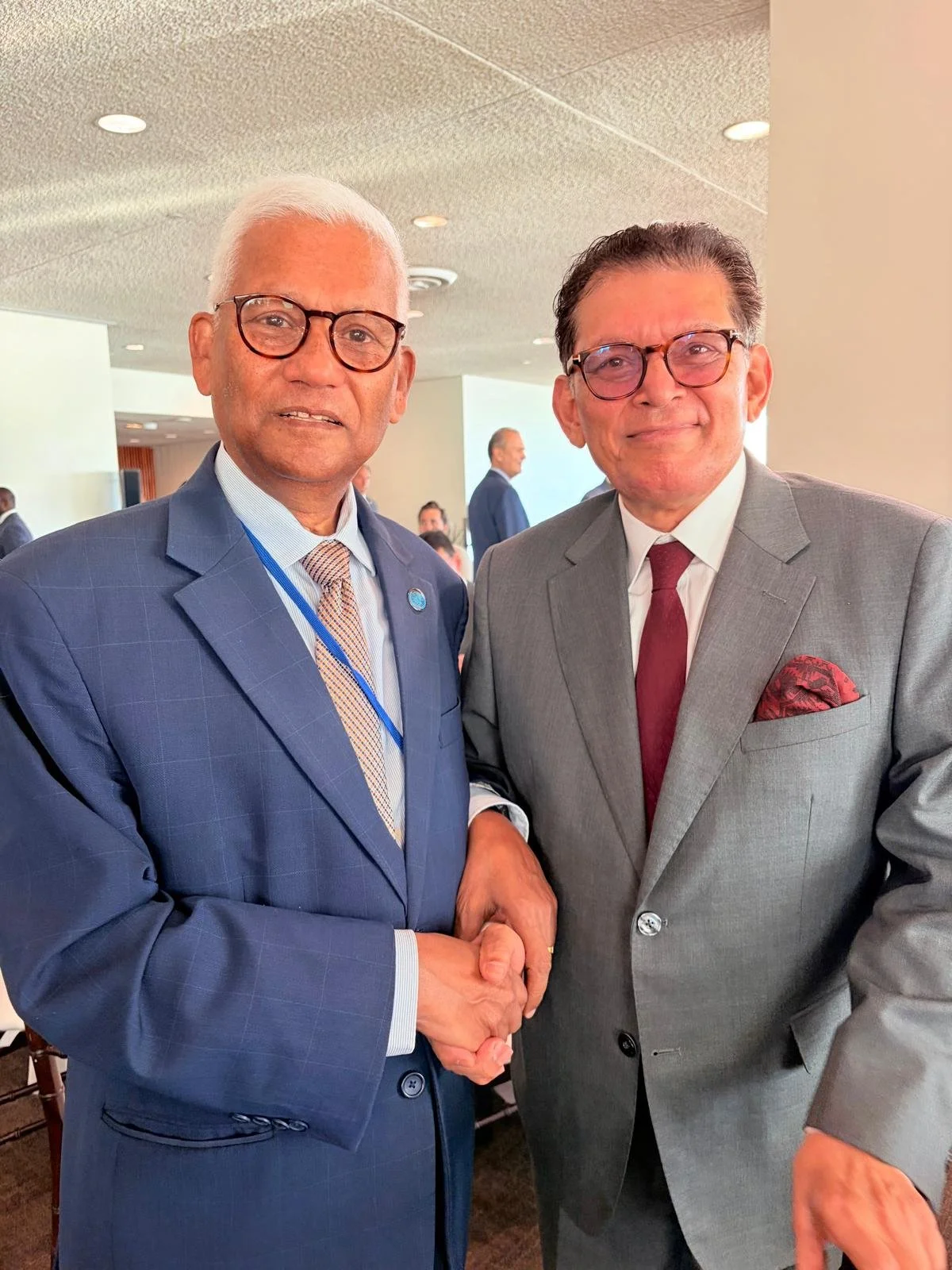
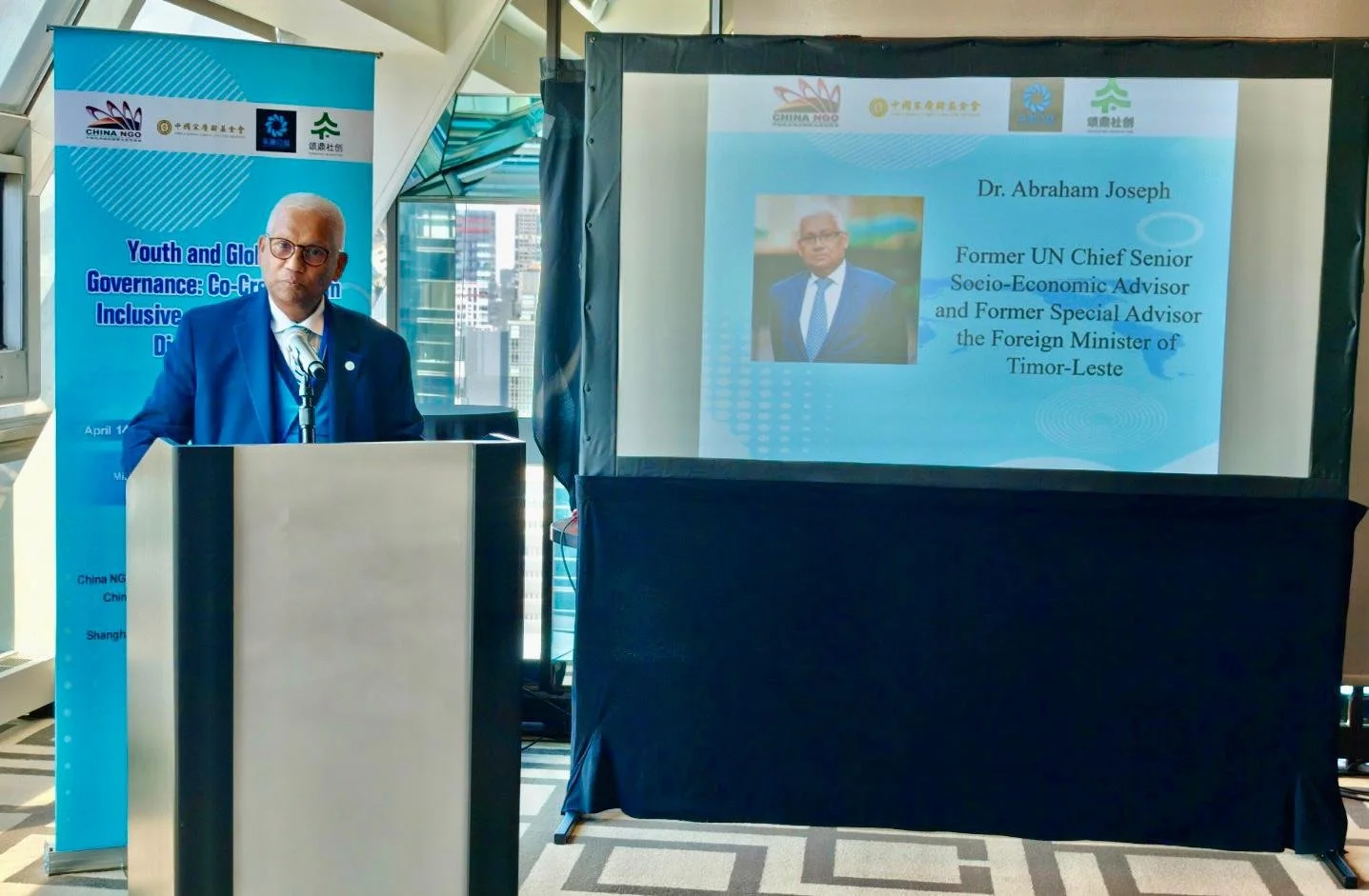
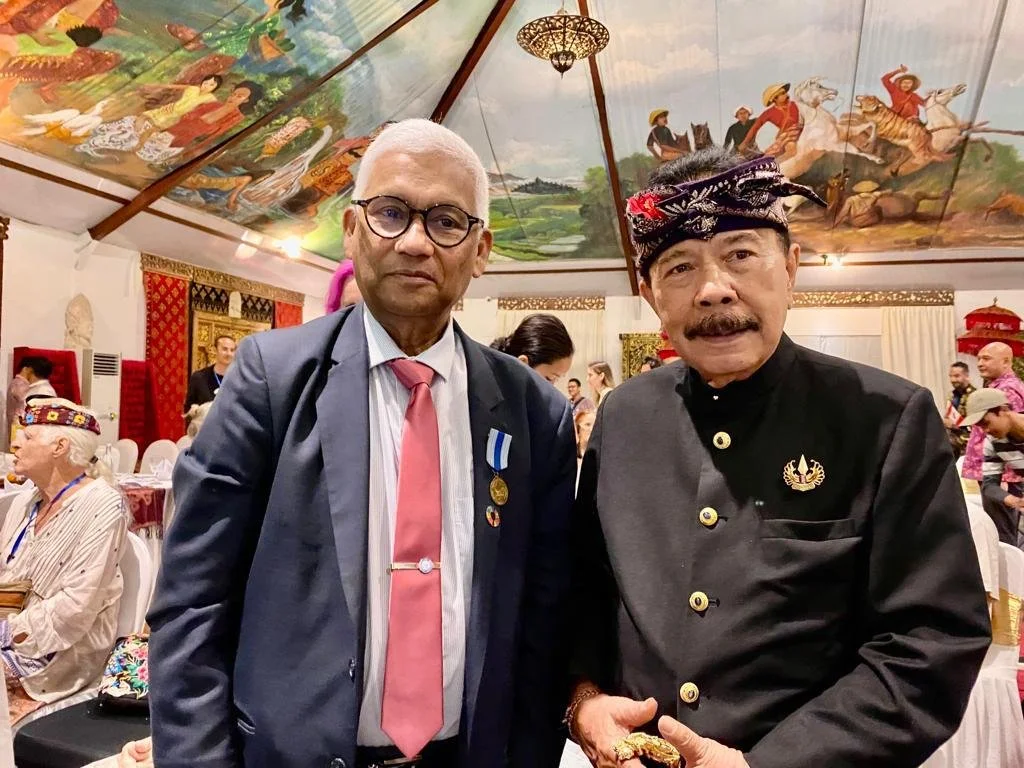
Grace Initiative Advisor Abraham Joseph meets with Nobel Peace Prize laureates at the United Nations.
JUANA SUMMERS, HOST:
The U.S. immigration debate has largely focused on the illegal entry of migrants through the U.S. southern border. Most come from Central and South America. The people who often get left out of conversations about immigration are refugees - people fleeing war or persecution. Vermont has a big refugee problem, despite being one of the smallest states, and it's working to resettle hundreds of people from Haiti, Eritrea and Afghanistan. NPR's Sergio Martínez-Beltrán has our story.
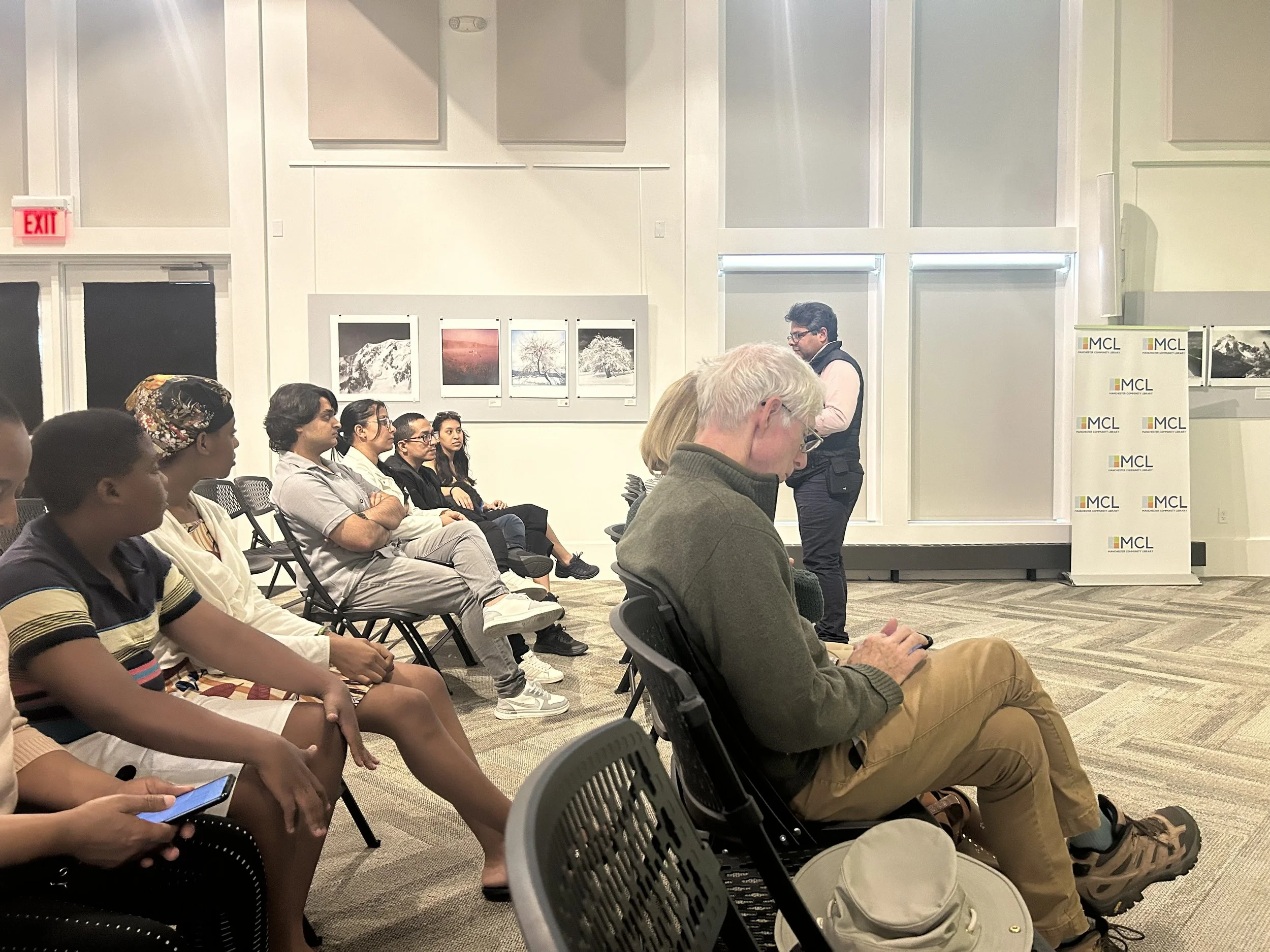
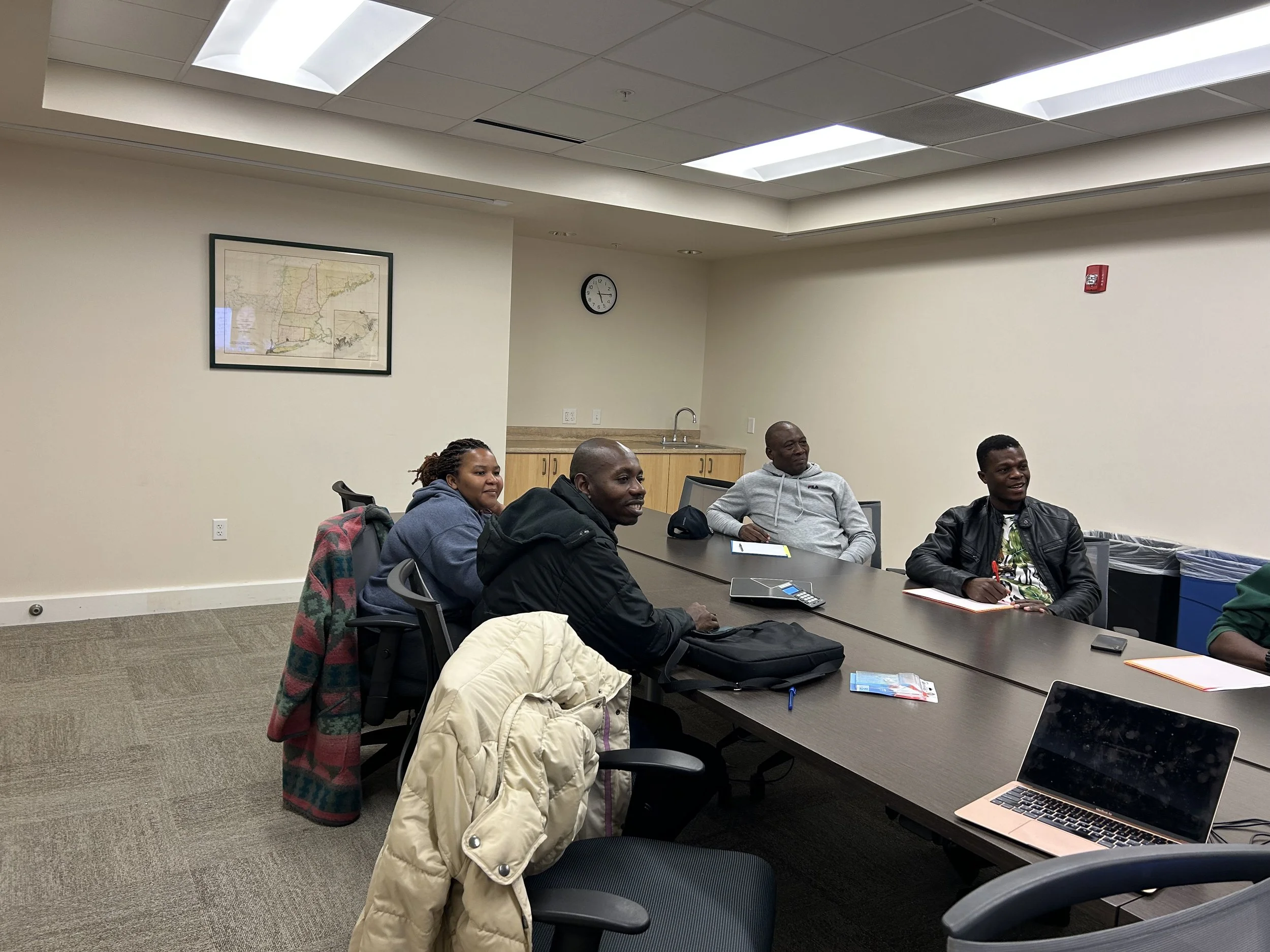
SERGIO MARTÍNEZ-BELTRÁN, BYLINE: The community library in Manchester, Vt., is a beautiful building on a quiet road. Lush trees adorn the surroundings here. This library is one of the informal meeting points for the recently arrived Haitian refugees. Jean Gerard Jusmi (ph) is one of them.
JEAN GERARD JUSMI: Vermont is very quiet. Yes, it's very quiet. I can say very organic, too.
MARTÍNEZ-BELTRÁN: Jusmi comes here for the free Wi-Fi. He enjoys volunteering at the local community garden, growing lettuce and tomatoes. A high school math and physics teacher back in Haiti, Jusmi here works in a hotel during the day and at a New England bistro at night, making salads and desserts. He says he left his homeland in April, due to growing lawlessness and gang violence. Basic government services once again collapsed.
JUSMI: There is a bad situation in Haiti. (Inaudible) the gangs there - you know, bad situation right now.
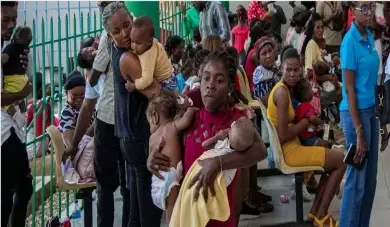
MARTÍNEZ-BELTRÁN: According to the United Nations, gang violence has displaced nearly 600,000 Haitians this year alone. More than 200,000 Haitian migrants, like Jusmi, have resettled in the U.S. Vermont is a state that has put out a welcome mat.
TRACY DOLAN: So it's the right thing to help people and to give them refuge.
MARTÍNEZ-BELTRÁN: Tracy Dolan is the director of Vermont's State Refugee Office.
DOLAN: There are more refugees around the world than there have ever been. Most never get the chance to actually find safety beyond a temporary camp in another country.
MARTÍNEZ-BELTRÁN: Since October of last year, the U.S. has resettled over 86,000 refugees from around the globe. That's the biggest resettlement since 1995. Vermont has already settled about 300 refugees this year. They have a goal of 400 by the end of September, but Dolan says there's a problem.
DOLAN: Housing has been the biggest challenge, both the cost of it - it's expensive - but primarily the availability.
MARTÍNEZ-BELTRÁN: A housing assessment made by the state government said Vermont needs up to 36,000 additional year-round homes in the next five years to meet overall housing demands. So resettlement agencies have had to get creative to find housing. Assisted living facilities, restaurants and hotels in Manchester have offered rooms free or at a reduced price for refugees who work there. Yvonne Lodico is the founder of Grace Initiative Global, one of the nonprofits resettling refugees in Vermont.
YVONNE LODICO: So we have been able to meet our housing challenge almost all through the support of employers.
MARTÍNEZ-BELTRÁN: Still, Lodico says her agency is also looking to rent a house with multiple rooms, as more and more refugees are resettled here.
LODICO: The challenge to that will be, of course, putting the right people together. We cannot have some people who don't eat pork with people who do eat pork, for example.
MARTÍNEZ-BELTRÁN: Lodico says those religious and cultural differences need to be taken into consideration. Her agency has been able to bring nearly a hundred refugees to Vermont since last year, most of them Haitians. Jean Gerard Jusmi is part of a hotel maintenance crew here. His employer gave him his own small room in a building on the property.
JUSMI: I come to work in the United States to help my family, my wife, my kids. You know, I have two kids. They stay in Haiti.
MARTÍNEZ-BELTRÁN: He says he's grateful for the opportunity and the help that he's received from the community.
JUSMI: I really like Vermont. I don't want to leave Vermont. I don't want to quit Vermont.
MARTÍNEZ-BELTRÁN: Jusmi says his next goal is to bring his wife and two children to his adopted hometown. Sergio Martínez-Beltrán, NPR News, Manchester, Vt.
National Public Radio Interview with Grace Initiative Global in Manchester VT
SEPTEMBER 16, 20246:15 PM ET
HEARD ON ALL THINGS CONSIDERED
Vermont is trying to become a leader in refugee resettlement. Many employers say migrants are needed to fill open jobs. But there are some serious challenges that could get in the way.
Pursuing trauma healing and economic self-sufficiency
Manchester Community Library, Manchester, VT
June 24, 2023 - 2:00-4:00 PM
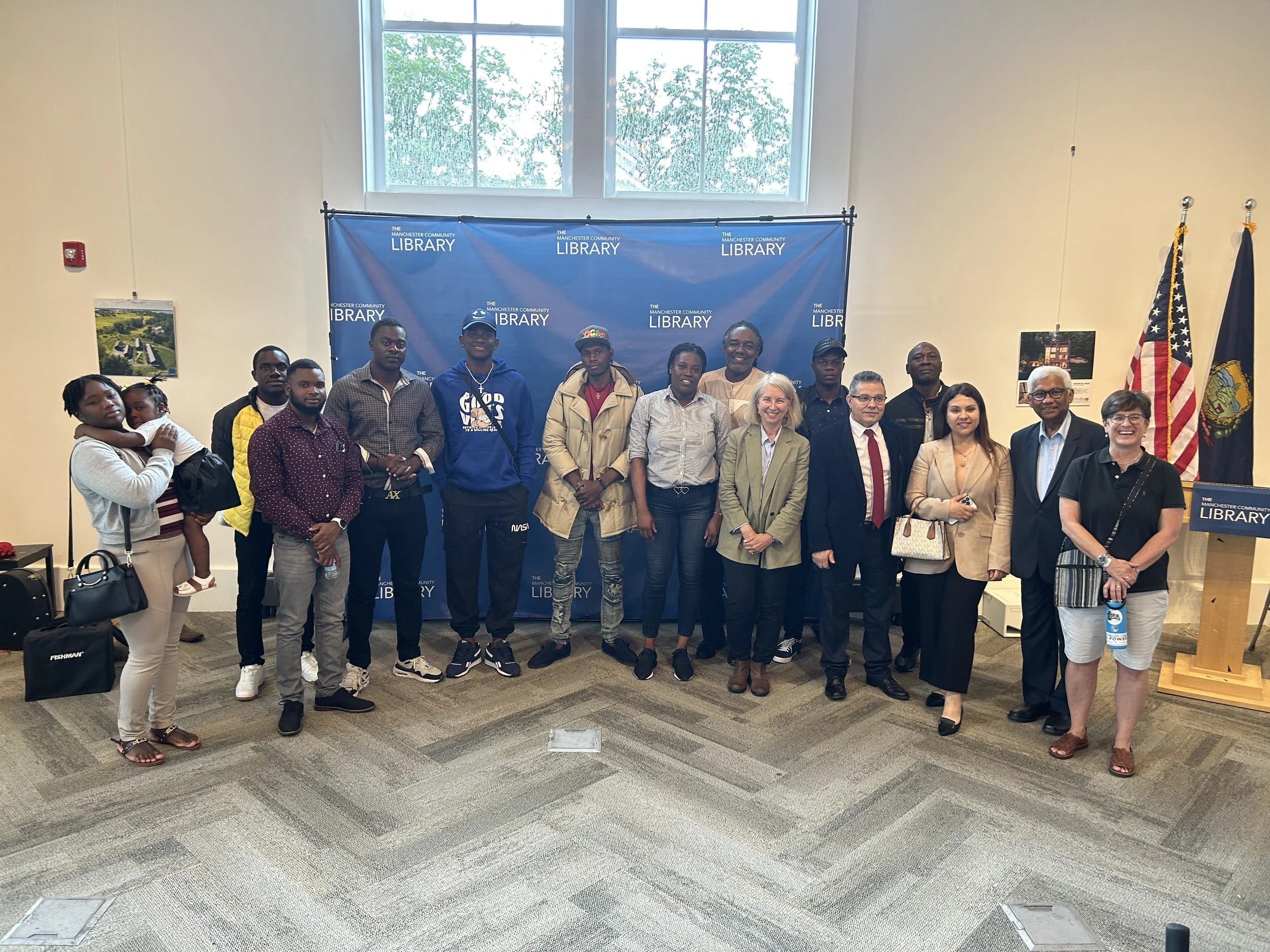
Grace Initiative Global organized a discussion on World Refugee Day, which is an occasion to build understanding and empathy for refugees’ plight and to recognize their resilience in rebuilding their lives.”[1] This critical discussion took place at the Manchester Community Library on June 24, 2:00-4:00 PM.
Overview:
A refugee is a person who has fled their own country because they are at risk of serious human rights violations, armed conflict/gang violence and or persecution. The devasting impact on human security due to economic collapse, natural disaster or climate change can also compel people to flee. Some refugees no longer feel safe and might have been targeted just because of who they are or what they do or believe – for example, for their ethnicity, religion, sexuality, or political opinions.
Refugees flee because the threat to their safety and lives is so great that they feel that they have no choice but to leave and to safety outside their country. This is most often due to failed states, civil war or a sovereign which ignores or carries out severe human rights violations against its own citizens, and who cannot or will not protect them from those dangers. Under international law, which is supreme law, refugees have a right to international protection.
Purpose:
Although refugees flee because of real dangers to their lives, their path for safety and security, is laden with perilous challenges including criminality, discrimination, gender-based violence, environmental threats, and exclusion. In addition, some refugees, especially women and girls, risk falling prey to human trafficking and other forms of exploitation. In fact, if their countries were considered safe, most who flee would prefer to develop their lives in their home countries. To this end, we held a discussion to discern strategies for security, objectivity, and a path for self-sufficiency.
Final day, Member States agreed inter alia on bridging the digital gender gap and ensuring women’s full participation in technology and education.
Since the adoption of the resolution, the international community gives special recognition to World Humanitarian Day. The purpose is to call attention to the personal commitment of humanitarian workers, especially those aid workers serving in difficult and even life-threatening conditions to ensure assistance and delivery of food, clothing, medicine, and even mental health support to the most vulnerable.
It is not possible, however, to consider humanitarian programming without the intersectionality of challenges and root causes of humanitarian emergencies and the pathways for resolving the crises and building resilience. Humanitarian approaches and commitments require holistic programming given the impact of environmental challenges, the changing nature of violent conflict, and the recognition of an increasingly complex and interdependent world, to address the further challenges of poverty alleviation and reduced food insecurity. This involves integrating humanitarian programming with peacebuilding and conflict sensitivity, as well as sustainable development for local systems and averting the worst effects of crises.
In our World Humanitarian Day discussion, we will consider the requirements for holistic and integrated planning for humanitarian delivery and the complex environments humanitarians confront. For those on the front lines, they may confront: violent wars devastating populations, infrastructures, and land in places like Ukraine, Ethiopia, Yemen, or Syria; ongoing governance and humanitarian emergencies in Afghanistan; addressing political instability and climate emergencies such as in Libya; anti-terrorism battles such as in Somalia, Nigeria and Mozambique; territorial disputes with human rights and refugee consequences such as Israel-Palestine; political instability such as in Lebanon and Venezuela; and criminal violence such as in Central America. Therefore, it is critical to recognize the needs of the most affected people requires planning to address the causes of conflict and caring for the victims of war, who are also losing their homes, livelihoods, and familial roots due to inter alia the impact of climate change and lack of development equality.
From May 2022 through June 2025, the Grace Initiative Global implemented an Office of Refugee Resettlement Matching Grant (MG) program. This program was highly successful because the focus was on economic self-sufficiency. Newcomers did not receive cash assistance but rather intensive job training and placement, English Language Learning, Cultural orientation and guidance for working and living and contributing in and to the United States. After 240 days, all enrollees in the Grace Initiative program achieved economic self-sufficiency, meaning that they could pay their bills, work full time, and not be reliant on economic support services.
(Parallel event held on March 23, 2022)
Decreased water and food availability, as well as extreme temperatures, are expected to negatively affect food, water, social and health security, impacting the most vulnerable – women and girls.
Given its unique hydrological limitations, Iraq is one of the most vulnerable countries to climate change impacts in the Middle East and North Africa (MENA) region, particularly due to its arid and downstream location.[1] Iraq is highly vulnerable to changes in precipitation levels. Moreover, the low water level in southern Iraq coupled with sea-level rise in the Persian Gulf has led to the intrusion of soil in Shatt El Arab and groundwater resources, increasing the salinity of water and causing serious damages to the surrounding lands. This situation creates extreme challenges to the people in Marsh Lands, especially the women.2
We examined our proposed project for establishing a community center for women to receive advanced warning and information on water flows, extreme heat. In addition to information, the Center would facilitate engagement and information regarding climate, extreme heat and water and pollution as well as water reduction. The programme focuses on women and girls’ leadership for engagement and empowerment.
[1] Salma Kadry. Gender and Water Dynamics in Iraq: Towards Inclusive and Sustainable Water Responses,
(Ebarlament – Cultures of Democracy, 2021), p. 5. Accessed at https://elbarlament.org/wpcontent/uploads/2021/06/article-II.pdf 2 UNDP. “Ahwari women, The beating heart of the Iraqi marshes” (March 8, 2021).
Accessed at https://www.iq.undp.org/content/iraq/en/home/stories/2021-stories/03/ahwari-women.html 8 Brian Fagan and Nadia Durrani. Climate Chaos Lessons on Survival from our Ancestors, (New York: Public Affairs, 2021), p. 55. 9 Kadry, p. 2.
Grace Initiative Global organizes important discussion on peacebuilding : Applicable to all internationally - even the United States. Program delivered on GNAT.org
Peacebuilding is an activity that aims to resolve injustice in nonviolent ways and to transform the cultural & structural conditions that generated violence. It is not just a question of national capacity in terms of understanding, education, expertise as in the traditional international peacebuilding strategy, but rather a recognition that resolving grievances, injustices, frustration.
According to the UN: Most peacebuilding happens once conflict – i.e. major, large-scale violence – has ended. But some peacebuilding tasks can start even during conflict. For example, in pockets of peace, civil society organizations, local government or traditional actors may be promoting conflict resolution mechanisms, or seeking to provide basic services or develop livelihood opportunities.
Contributions from Yale Divinity School, UN DPPA, Goddard College, Jerusalem Peacebuilders, Sant Egidio, experts Robin Lloyd (WILFP USA), Maj. General Michael Smith (ret), Dr. Abraham Joseph.
On March 23, 2021, the Grace Initiative Global, organized a virtual session during the 65th UN Commission on the Status of Women conference. Our session focused on: Addressing and Preventing Gender Based Violence through Empowerment and Generation Equality.
The session took into consideration the limitations of Covid, and held a global CSW event. Our session included a worldwide perspective embracing dedicated and compassionate experts representing organizations in Vermont, in Geneva, Brazil, Iraq, Colombia and Uganda. Our experts discussed the sobering situation of Gender Based Violence (GBV) for women and girls globally, which intensified with the Covid Pandemic.
Webinar
In recognition of the 75th Anniversary of the UN Charter,
A Call for Strengthened & Shared Sense of Community
30 June 2020
Women learn to sew masks, which are provided to the Iraq’s Ministry of Education for ensuring the good health of school children.
Grace Initiative began a program in January 2020 for the Empowerment of Vulnerable Women in Basra, Iraq
The program, called the Women’s Training Center, Grace Initiative will begin training of women in agriculture, dairy and animal husbandry. The products the women will develop include medicinal plants, yoghurt, cheese, and honey. The women are vulnerable widowed due to the war with Da’esh or ISIS or economically impoverished. We hope to provide capacity and confidence to find employment or to start a small enterprise. These programs will help to ensure their sustenance and to provide sustainable incomes.
2019 Solstice Peacebuilding and Peaceful Coexistence Forum,
including the Empowerment of Women*©
Yale Divinity School, Grace Initiative Global, Harvard Program on Refugee Trauma
Smokey House Farm, Merck Forest and Farmland, Equinox Resort (VT)
Sponsorship: Ben & Jerry’s Foundation.
Bringing about a world for restored relationships, for livelihood opportunities, for nourishment every day, and for preservation of our Earth
13 December from 1:00 PM to 14 December 4:00 PM
A scientific, economic, ecological, and political understanding is critical for formulating and implementing inclusive sustainable peace and for approaches fostering coexistence. Peaceful coexistence embraces conditions affecting lives and community such as climate change; nutrition and health, and, human security. At the same time, peacebuilding incorporates processes such as reconciliation as trust building. In this continuum from peacebuilding to peaceful coexistence, we envisage inter-dependent processes and conditions, which can strengthen resilience, including in rural areas. For example, increasingly agriculture and farming are employed as a tool for both trauma healing and reconciliation as well as essential for sustenance and food security, as well as gender empowerment. At the same time, climate change may impact food production and cause insecurity.
* This design, winter moon, is based on the art work of Sabra Fields, titled New Moon.
Agriculture, Farming and Food Security
Peaceful and Inclusive Communities
UN Headquarters: Conference Room 8
3 October 2019 - 10:00 am to 1:00 pm
In the 2030 Agenda for Sustainable Development[1]the international community set out to transform our world by tackling multiple challenges through holistic and synergistic mechanisms to ensure well‐being, economic prosperity, and environmental protection. Agriculture and sustainable farming represents an integral component for the global community to realize the 2030 Agenda’s interrelated transformational goals.
In the Secretary-General’s report on Agriculture, Food Security and Nutrition noted that most of the world’s 570 million farms are small and family-run; with family farms cultivating about 75% of the world’s agricultural land.[2] Also, the UN Decade of Family Farming (2019–2028) calls for Governments to develop public policies and investments to support family farming from a holistic perspective, to achieve the Sustainable Development Goals and “To Leave No One Behind.”
by Elizabeth Corredor
Ph.D. Candidate Rutgers University, Political Science
On Friday March 15, 2019, the UN Commission on Status of Women (CSW) sixty-third session, UN CSW 63featured a high-level event: “Iraqi Women at the Helm of Rebuilding, Peace and Stability” at UN Headquarters in New York. The co-sponsors for this unique and critical side event comprised: the Permanent Mission of Iraq to the UN, Permanent Mission of Germany to the UN, the SRSG on Sexual Violence in Conflict, the UN-WomenIraq Country Office; and, the Grace Initiative Global. The panel exemplified Iraq’s laudable commitment for empowering women in peace-building - ensuring Iraq’s transformation to a sustainable peace and a more secure future.
Grace Initiative Global founder, Yvonne Lodico, opened the event with a quote from Nobel Peace Laureate: Nadia Murad who stated during her acceptance speech for the Nobel Peace Prize, “Women must be involved in building lasting peace among communities. With the voice and participation of women, we can make fundamental changes in our communities.” Ms. Lodico pointed out that this was especially profound in view of the tragic shooting of the mosque in New Zealand that took place on March 14. These attributes underscored the goals of this high-level event, which illuminates Iraq’s collective and holistic efforts to transcend the destruction and horror of violent extremists, by ensuring that women are a vital part of the peace-building efforts.
Speakers included: Mayor of Bagdad H.E. Ms. Thikra Alwash; Permanent Representative of Germany to the U.N. H.E. Ambassador Christopher Heusgen; Special Envoy of the Secretary-General for Humanitarian Affairs of the League of Arab States H.E. Sheikha Hessa Bint Khalifa Althani; Under Secretary Gender SRSG on Sexual Violence in Conflict H.E. Ms. Pramila Patten; Deputy Minister of Foreign Affairs of the Republic of Iraq H.E. Ms. Hala Saleem; President of High Council of Women Affairs Ms. Bakhshan Zangana; Director General of Women Empowerment Dr. Ibtisam Ali. The resounding theme of the session was fostering women’s empowerment and addressing systemic discrimination to achieve sustainable peace and reconciliation.
Each speaker addressed issues related to women’s participation, protection, and prevention ensure their inclusion in peace building processes.
Participation
Despite the growing presence of women as government representatives in Iraq, women remain largely unrepresented in the peace process. The adoption of the Iraqi National Action Plan in accordance with UNSCR 1325 is a promising start and makes Iraqthe first Middle Eastern country to adopt a national action plan. Nonetheless, it remains a top priority to further recognize women not just as passive victims, but also as talented leaders and publicly recognized agents of change within their communities.
Protection
Iraqi women are some of the world’s most vulnerable people with regards to sexual violence, domestic violence, and systematic discrimination. The dire need to update Iraq’s laws to on sexual violence to meet international standards was emphasized, as was the fact that most, if not all, perpetrators of sexual violence in Iraq go unpunished. Session speakers stressed the need to update Iraqi law so that it meets the at least the minimal standards of international law. Such changes are
Required in order to eradicate the pervasive discrimination against women in Iraqi culture.
Prevention
A final resounding message focused on the need to craft policy that focuses on the rebuilding of lives in addition to systems and infrastructure. A key priority is making vital medical and mental health services available for women and for the children born and raised in war. Additionally, economic empowerment opportunities promise to strengthen women’s positions within their communities. Ultimately, policies need to focus on realizing and building upon the capabilities of Iraqi women.
Lastly, H.E. Bhar Aluloom, Permanent Representative of the Republic of Iraq to the UN, closed the session, thanking all the speakers and emphasizing the utmost importance of women’s inclusion for sustainable peace and security for Iraq, and praising the international community’s support for this great fundamental goal.
Burlington Forum on Coexistence
the 70th Anniversary of the Universal Declaration of Human Rights
Episcopal Church Cathedral Church of Saint Paul
2 Cherry Street
Burlington, VT
December 7, 2018 9:00 AM-1:00 PM
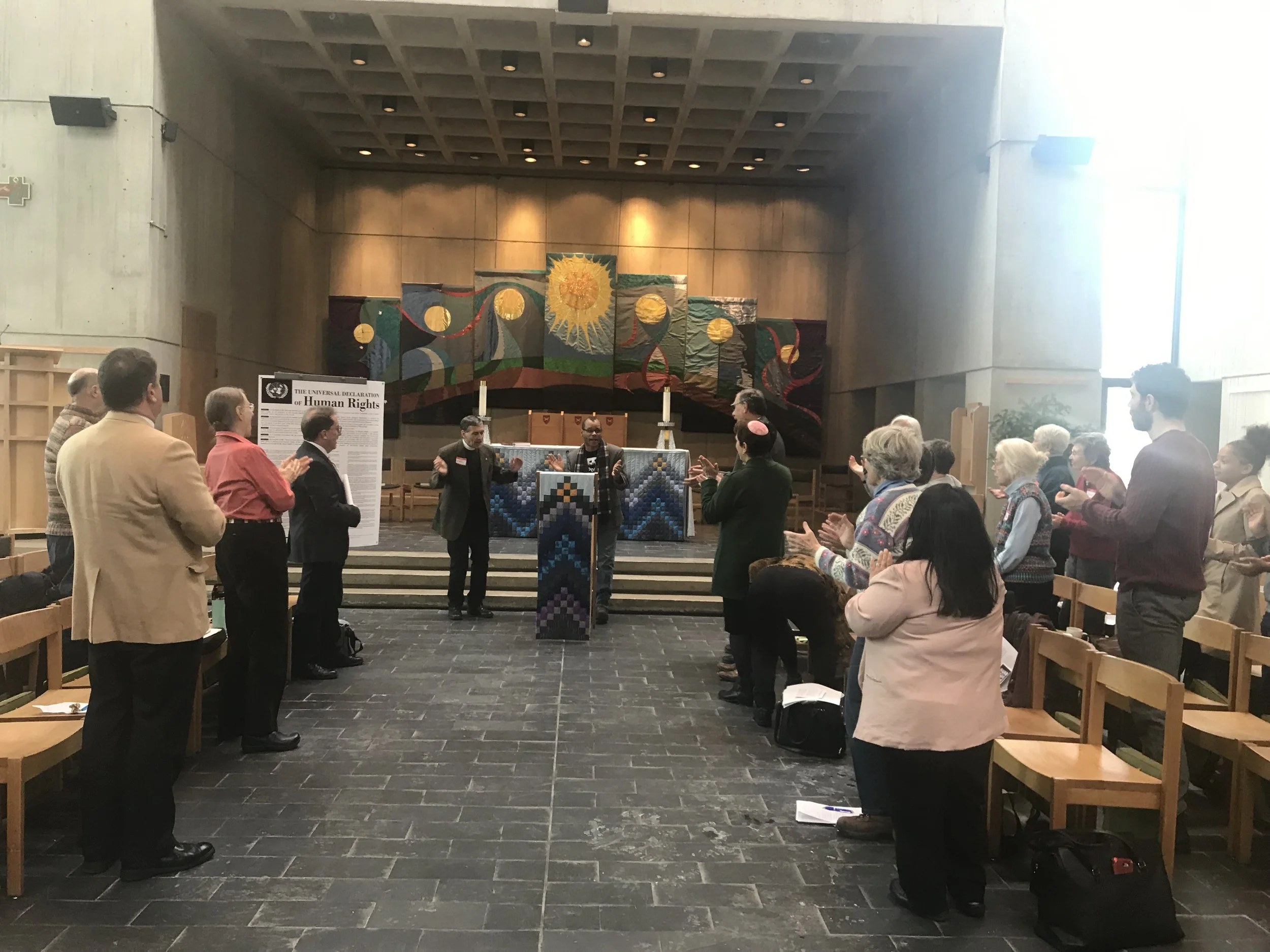
In honor of the 70th anniversary of the Universal Declaration for Human Rights, a milestone document that proclaimed the equality, justice and human dignity for all people - we are organizing the Burlington Forum on Coexistence at the Episcopal Church Cathedral Church of Saint Paul in Burlington on December 7, 2018, from 9:00 am to 1:00 pm. This Forum followed the spirit and rationale of the Boston Forum on Coexistence in a Democratic Society held on December 8, 2017.
During the Boston Forum, the participants agreed that we should build upon the goals and outcomes of that Forum and hold fora in other parts of the United States. Therefore, drawing upon this inaugural Forum, we propose a series called the Forum on Co-Existence in a Democratic Society. This Forum emphasized the recognition and respect of the dignity of every person, a principle underscored in the Universal Declaration. Regrettably, this fundamental right diminishes when it comes to accepting difference due inter alia of gender, race, religion or nationality.
To this end, the purpose of the Forum is to promote a platform for dignity, respect and coexistence, and a road map for addressing the continuation of a heightened hatred, anger, exclusionary outcry. We look for paths of healing and for nurturing positive discourse, with a commitment to fundamental human rights, dignity, respect, and coexistence.
On December 10, 1948, in the wake of the horrors of WWII, the International community convened to commit to respect the dignity of all humankind. We hope to revive this spirit of commitment to human rights on the 70th anniversary of the Universal Declaration of Human Rights during the Burlington Forum on Coexistence.
About the Universal Declaration of Human Rights
The Universal Declaration of Human Rights represented a milestone document in the history of human rights. Drafted by representatives with different legal and cultural backgrounds from all regions of the world, the Declaration was proclaimed by the United Nations General Assembly in Paris on December 10, 1948 as a common standard of achievements for all peoples and all nations. It sets out, for the first time, fundamental human rights to be universally protected and it has been translated into over 500 languages. Learn more at http://www.un.org/en/universal-declaration-human-rights/.
About The Episcopal Church in Vermont
The Episcopal Church in Vermont comprises 45 congregations across the Green Mountain State that share in the mission to pray the prayer of Christ, to learn the mind of Christ, and to do the deeds of Christ. The congregations live into this mission through ministries of Formation, Liberation, Communication, Connection, and Celebration. The Episcopal Church in Vermont is a member of the worldwide Anglican Communion. Learn more at https://diovermont.org/.
Featured Speakers
· The Rev. Nicholas Porter, co-founder, Jerusalem PeaceBuilders
· Jeff Mandell, program director, Kids4Peace - VT/NH Chapter
· Rabbi Amy Small, Ohavi Zedek Synagogue
· Yvonne Lodico, founder, Grace Initiative Global
· Syed Meesam Razvi, Executive Director, Alliance for Research and Scholastic Heritage
· The Rev. Dr. Arnold Thomas, pastor, Good Shepherd Lutheran Church, Underhill, VT
· Maurice L. Harris, diocesan communications minister and co-convener of the Racial Reconciliation/Healing Network, The Episcopal Church in Vermont
· The Rev. Earl Kooperkamp, treasurer, and past President, Vermont Interfaith Action; rector, Episcopal Church of the Good Shepherd, Barre, VT
· Mark Hughes, co-founder and director, Justice For All
· Bor Yang, executive director & legal counsel, Vermont Human Rights
[1]https://sustainabledevelopment.un.org/sdg16

Healing, Empowering and Transforming
For Inclusive Peacebuilding, Conflict Prevention and Sustainable Development
With the full integration of rural women in peace processes
Presented on October 26, 2018
10:30 am -12:30 pm
The Justification
The framework for the workshop and the participants’ engagement includes: UN Security Council and General Assembly resolutions, respectively S/RES/2282 and A/RES/70/262, which called for sustaining peace by “preventing the outbreak, escalation, continuation and recurrence of conflict.” Further, it integrates global agendas such as the UN GA High Level Meeting on Peacebuilding, held 24-25 April 2018, which underscored the axiom that we must work “to save peace while it lasts, not to deal with the situation once peace is lost.” Also, it adheres to the 2030 Agenda goals, especially SDGs 1, 5, 12, 15, and 16. This concept also takes into consideration US House H.R. 5273 and US Senate S 3368, to reduce global fragility and violence.
To this end, this workshop on “Circles of Trust” will focus on peacebuilding and conflict prevention, through transforming and sustaining grass roots rural communities, with a particular emphasis on integrating women into this process. Therefore, the overall discussion will emphasize and explore how sustaining peace should in practical terms include conflict prevention, and why and how this includes the full integration of rural communities and especially rural women.
Our Focus
This workshop focuses on integrating holistic goals for peacebuilding, conflict prevention and sustainable development. It concentrates on transformation of lives in rural areas and the impact on women and girls. To this end, we will examine the possibilities for integrating the goals of community healing, of governance through peaceful discourse, and rural sustainable development through community supported agriculture and value-added crops, for nutrition, sustenance and income generation. This includes transformation of causes of conflict, promotion of peace and the prevention of conflict through healing, empowering and transforming lives[1]of rural women, including internally displaced. Rural women endure victimization from: conflict; forced displacement[2]; domestic violence; lack of nutrition and employment.[3]
Agenda:
Ms. Yvonne Lodico:
Founder, Grace Initiative Global
Introduction to Program Peacebuilding and Conflict Prevention: Healing, Empowering and Transforming – for Sustainable Development and Sustaining Peace
H. E. Virachai Plasai:
Ambassador of Kingdom of Thailand to the United States
Insight to Community Agriculture: Thailand’s Experience in implementing the Sufficiency Economy Philosophy (SEP) to support rural community development as well as empowering women in rural areas
Dr. Massimo Tommasoli
Permanent Observer to the United Nations, International IDEA
Fostering civic engagement and governance in rural areas for holistic and sustainable peace.
Mr. Robert Terry
Director, Merck Forest and Farmland
Training for Engagement, Efficient La Tra Training of Trainers for Rural Development, Efficient Land Resource Management
Application for Rural Peacebuilding - Colombia
Mr. Gabriel Laizer, Food and Agricultural Organization (FAO)
Peace and Food Security: Investing in Resilience to Sustain Rural Livelihoods Amid Conflict in Colombia.
Diego García-Devis,
Senior Program Officer – Global Drug Policy, Open Society, Soros Foundation
Land management and active rural women participation in drug cultivation areas. The role of women in decision-making processes path to sustain programs aimed at reducing illicit crop production.
Ms. Juliana Valderrama
National Secretariat of Pastoral Social - Cáritas Colombiana
Mr. Mario Pineda
Kroc Institute, Cáritas Colombiana
Explanation of Current Peacebuilding in Rural Areas of Colombian
Insight to application of Circles of Trust with Rural
Women in Colombia, and reflection on Peacebuilding and Reconciliation in Choco
Commentary on Monitoring Localized Peacebuilding in Colombia
[1]https://www.usaid.gov/colombia/results/transforming-lives
[2]http://www.internal-displacement.org/countries/colombia
[3]https://www.nature.com/articles/palcomms201614
Ambassador Isaac Chabala provided an historical overview of President Mandela.
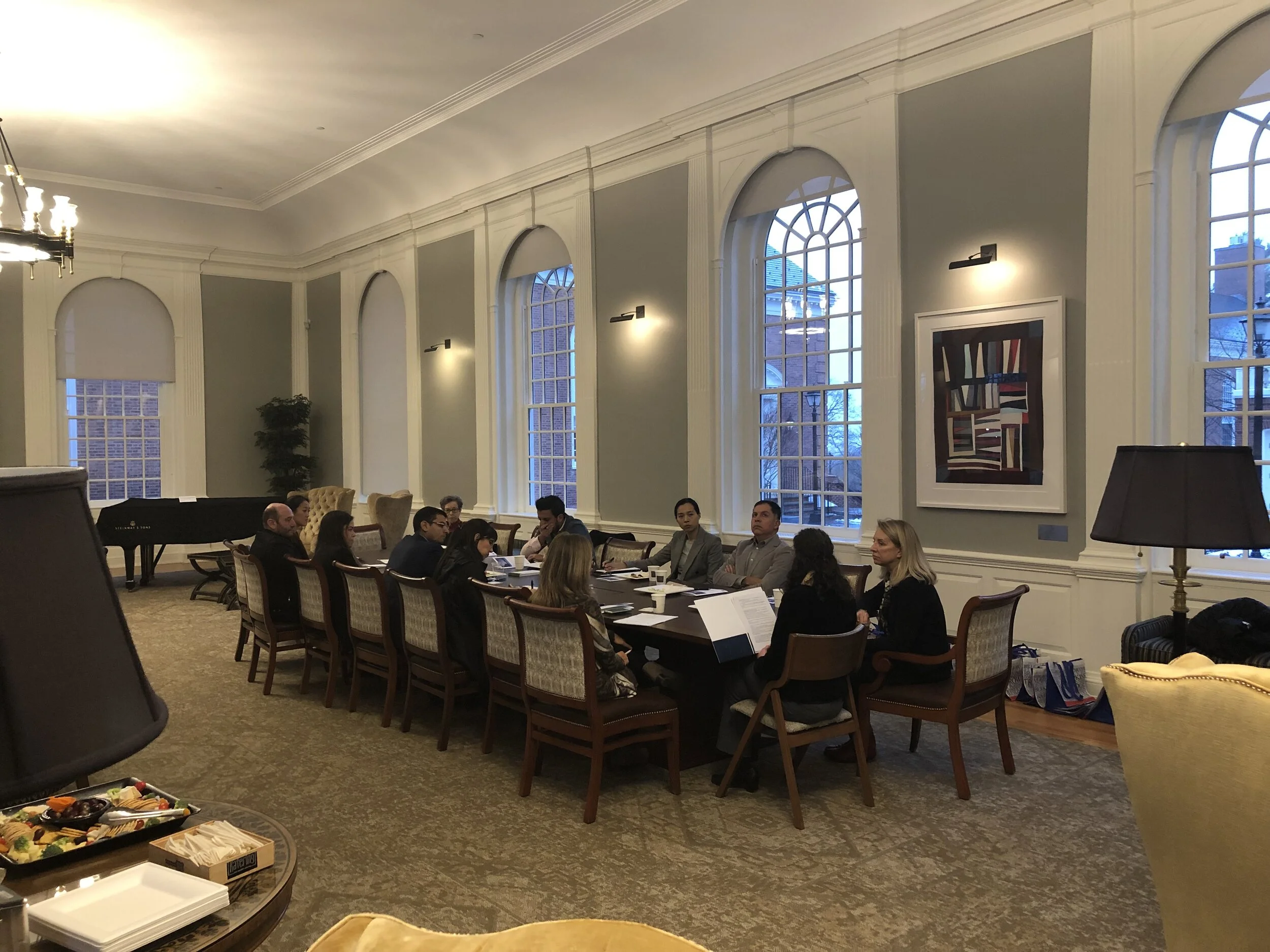
On May 11-14 2018, Harvard Program on Refugee Trauma and William James College organized a retreat in Manchester, VT, with support from Grace Initiative. The retreat brought experts world wide for sharing ideas on empathy and story telling. During the retreat, Dr. Richard Mollica launched the New Humanistic Psychology.
March 22, 2018
12:30pm -2:00 pm
United Nations Church Center
777 UN Plaza, New York, NY
for Empowering Women and Girls and Advancing Peacebuilding
UNCSW focuses on an Alternative Approach for Empowering Women and Girls in Peacebuilding and Conflict Prevention through innovative community agricultural practices. Our approach is called a Restorative Rural Agricultural Development (RRAD). The programme focuses on women and girls’ leadership for rebuilding communities through healing and engagement combined with agricultural practices that comprise a purpose of fostering sustainable and resilient communities for an enduring peace.
Restorative rural agricultural development builds from the necessity for healing and for rebuilding of relationships, communities and societies after conflict, violence and extreme poverty. Its goals are transformational with objectives of community reconciliation, sustainability, and resilience.
Agenda
Ms. Sahar Alsahlani, Al-Khoei Foundation Welcome
Ms. Yvonne Lodico, Founder, Grace Initiative Welcome
Ms. Jessica Scott, UN SDG Academy Moderator
Ambassador Isaiah Chabala, Visionary Empowerment for Zambia
Ministry of Foreign Affairs,
Ms. Zaytoon Faraj,
Iraqi Delegation UN CSW Iraq’s Strategy for rural women and girls
Ms. Rita Reddy, UN DPKO Adviser Discussion on Women in Timor-Leste
Former, Gender Adviser, UNMIT
Former, Director of Civil Affairs,
UNAMID
Yvonne Lodico Introduction to Vermont goals for women (YANA VT) and rural development
Representative Amy Sheldon Legislative initiatives for inclusive,
Middlebury/Addison sustainable development.
Ms. Heidi Lynch Community Supported Agriculture (CSA),
Vermont Farmers as a provider of health care
Ms. Amy Frost CSA and Social Justice
Circle Mountain Farm
Ms. Sahar Alshlani Conclusion
The Initiative for Governance, Reconciliation and Coexistence (Grace Initiative) is convening a Forum to address intensifying differences in the US regarding the rule of law, fundamental freedoms, and inclusion. The Forum draws from a recent Pew Research Study that recently found that Americans are more divided than ever over about social issues such as safety net, race, and immigration. To develop policy and to protect fundamental freedoms and rights, we need to find common ground for addressing collective challenges in our democratic society.
Our goal is to develop a strategy for a road map for coexistence in one of the world’s oldest democracies – the US. We hope to take up concerns, hopes and fears. The Forum will provide a platform for strategies for promoting dialogue, countering extremism, and fostering healing to halt the rise of divisiveness. Also, we will examine how the globally endorsed 2030 Agenda for Sustainable Development Goals, especially for peaceful and inclusive societies, applies in the US.
This Forum will comprise of international and national experts in democracy, coexistence, immigration, psychology, and social justice. Speakers include:
Dr. Massimo Tommasoli, Permanent Observer at the United Nations for International Institute for Democracy and Electoral Assistance (International IDEA); Dr. Theodore Johnson, Brandeis University, The Heller School for Social Policy and Management, Associate Professor in Conflict Resolution and Coexistence; Rabbi Or Rose, Director, The Miller Center for Interreligious Learning & Leadership, Ms. Marion Davis, Massachusetts Immigration and Refugee Coalition (MIRA Coalition); Mr. Syed Meesam Razvi, al-Kohei Foundation; Representative from the Mayor’s Office. Also, Greta Hagen of UU Urban Ministry will welcome everyone.
Please RSVP at: contact@grace-initiative.org. No cost, but donations welcomed.
You are cordially invited to attend an event following up on Pope Francis’ September visit to Colombia that the Permanent Observer Mission of the Holy See to the UN is sponsoring with the Permanent Mission of Colombia to the UN, Caritas Internationalis, the Catholic
Peacebuilding Network, the Krok Institute for International Peace Studies and Grace Initiative.
Below please find a poster with a list of speakers as well as a concept note with the background.
Background
With the signing of the Final Peace Accord between the Colombia Government and Fuerzas Armadas Revolucionarias de Colombia (FARC) in November 2016,[1] one of the world’s longest-running armed conflicts came to an end. Included in this Peace Accord was the responsibility to reintegrate thousands of former guerrilla fighters and foster national reconciliation.[2] The Accord embraced all sectors of society so that the country can “achieve a just and lasting peace for all Colombians.”[3] In view of the magnitude of commitment required, the Pope aimed to reinforce the ongoing peace process.
As a member of the Latin American community with a global heart and a desire to accompany those who suffer, struggle and seek sustainable solutions for a life of real social development, Pope Francis has long been concerned with the needs and rights of the people of Colombia and sought to bring this care and concrete recommendations to the country last month — to the government, the Church, victims and violators, farmers and families. His solidarity of encounter did not at all mean he was intending to come with "answers" but rather with absolute respect for the simple and profound questions, asked so often through the decades — and now even more urgently in these recent days — by women, men, children, youth, wise elders.
The purpose of the Pope's visit, as of this UN Side Event, was not to pass judgment but rather to focus on reconciliation and authentic restoration of right relationships at every level of society — and especially in those remote places or circumstances where indigenous peoples could too easily be neglected, further violated further, or even feared for the depth of their understandable anguish. Indeed, he came to Colombia to state boldly, clearly that the life of every person matters, that every path to peace must be walked carefully and respectfully by all stakeholders, while noting that the task is daunting, perhaps dangerous, and indeed delicate as politics, processes and policies are unfolding.
The Pope's visit underscored that a focus on and shared responsibility for people first and always must be the method to ensure that there be human, integrated implementation of the Peace Accord, one that cares for the people, the land, the culture, and the next generation as one family enjoying a fruitful and safe common home. As part of his appeal in Colombia, the Pope Francis called for prayers for the 6,000 victims of violence and the millions displaced. He also called for a peace that also protects the environment as well as prayed for the end of human trafficking and all forms of modern day slavery and emphasized the universality of respect for human dignity. Indeed, with the arduous process of healing, with ongoing difficult negotiations, intense legitimate investigations, the need for justice, tolerance, patience, one of the most important concrete impacts from Pope Francis’ visit may to be remind everyone that “together we accomplish more for each other.”
While the country achieved fundamental components of the Accord, challenges and obstacles to securing sustainable peace remain. Even with the FARC disarmed, critical elements of the Accord must make further progress for political, economic and social cohesion, such as an inclusive reintegration (reincorporation) of the ex-combatants; securing human rights and transitional justice; promoting economic development, especially in rural areas; and ensuring national security in the countryside, particularly in the zones of former guerrilla influence. Along with Colombia’s internal challenges, the increase in refugees from Venezuela has caused further strains. There is also the need for peaceful eradication of 188,000 hectares of coca production through adequate compensation and crop alternatives at a time when, according to United Nations Office on Drugs and Crime, Colombia is now producing more cocaine than ever before.
International support is necessary to ensure that the goals of the Peace Accords advance stably, sustainably, legally, and holistically. Civil society, international organizations and the private sector similarly are urged to more engaged to help ensure that peace in Colombia is an irreversible process.
Structure of the Event
The panel event will feature those with experience on the ground in helping to achieve the Peace Accords and implement them. The following are confirmed speakers:
Archbishop Bernardito Auza, Permanent Observer of the Holy See to the UN
H.E. María Emma Mejía Velez, Permanent Representative of Colombia to the UN
Msgr. Héctor Fabio Henao, Director of Caritas Colombiana and of the National Secretariat of Pastoral and Social Outreach for the Episcopal Conference of Colombia
Professor Gerard Powers, Coordinator of the Catholic Peacebuilding Network, Director of Catholic Peacebuilding Studies for the Kroc Institute for International Peace Studies at the University of Notre Dame.
Mr. Joseph Cornelius Donnelly, Head of Delegation, Caritas Internationalis (Moderator)
For questions or more information, please contact Fr. Roger Landry at 212.370.7885 x127 or rlandry@holyseemission.org
1. Acuerdo Final para la Terminación del conflict y la construccióon de una paz estable y durabera, 24 November 2016. Point 3, “la dejación de las armas y preparar la institucionalidad y al país para la reincorporación de las FARC-EP a la vida civil.”
2. https://www.usip.org/publications/2017/02/current-situation-colombia
3. https://www.state.gov/secretary/remarks/2016/12/264709.htm
Friday: 31 March, 2017
6:00 PM - 7:30 PM
Saturday: 1 April 2017, Bennington College, CAPA
11:00 AM – 12:00 PM
In celebration of International Women’s Day and the UN Commission on Status of Women (UN CSW), the Grace Initiative—with the Center for the Advancement Public Action at Bennington College, Northshire Bookstore, and Vermont Farmers Food Center—organized a discussion on the theme of Women’s Economic Empowerment and Peaceful and Inclusive Societies. This event followed the successful G77 retreat in Vermont in September 2016 on Sufficiency Economy Philosophy and Sustainable and Resilient communities, under the chairmanship of Thailand. To this end, a UN delegation participated in interactive discussions in Manchester, Bennington, and Rutland focused on the recent UN CSW.
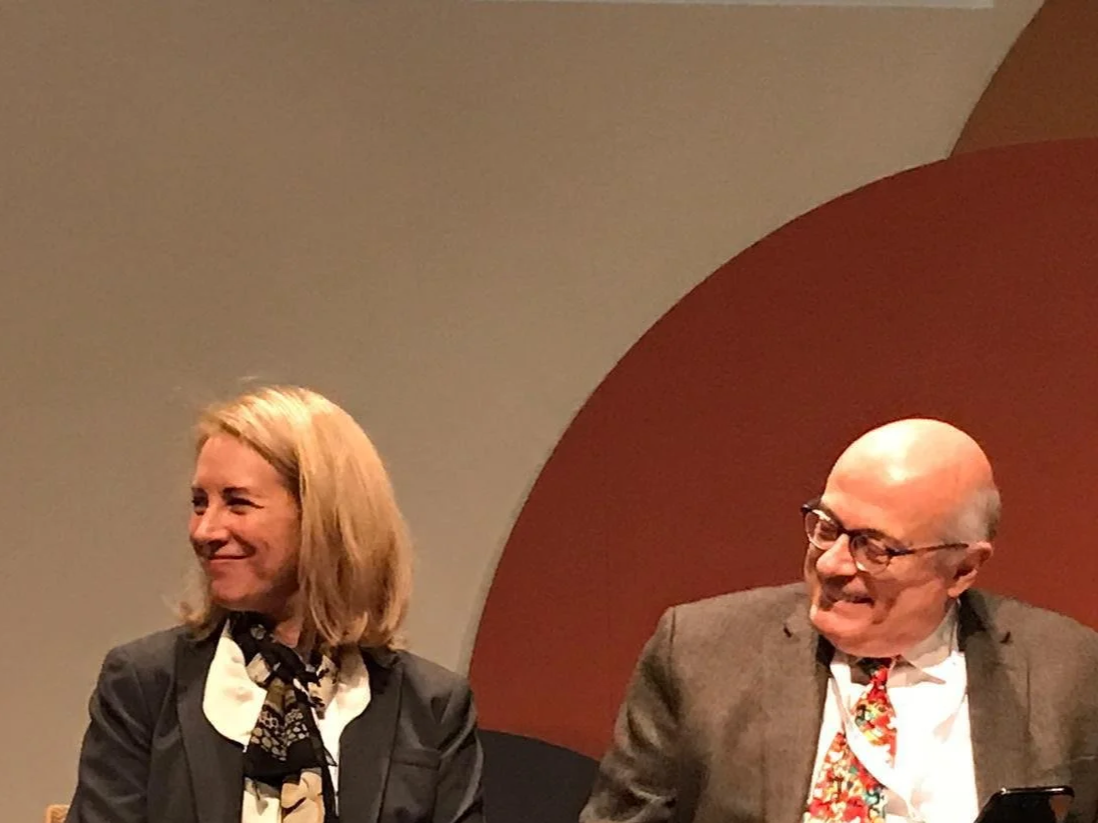
Every year, women and men from ministries of foreign affairs, government positions, and civil society from around the world convene at the UN to discuss, deliberate, and develop positions on CSW thematic issues. This year, the theme focused on the Empowerment of Women, and the changing role of women in the workplace. Further, it took into consideration the Millennium Development Goals for Women and Girls.
In collaboration with the Permanent Mission of Thailand, The Group of 77, The Initiative for Governance, Reconciliation and Coexistence - Grace Initiative Global. The Retreat took place over a two-day period in Manchester , Stratton, Rupert, Vermont.
Photo Credit: Tyler Yandow
The Permanent Mission of Colombia to the United Nations
The Permanent Mission of the Kingdom of Thailand to the United Nations
and
Initiative for Governance, Reconciliation and Coexistence (GRACE Initiative Global)
Workshop on Sufficiency Economy Philosophy and Sustainable Peace Processes: Ensuring Enduring Peace
Friday 24 June 2016
04:00 - 06:00 pm
At Conference Room 6
the United Nations Headquarters